

It’s been a few years since I’ve done a year-end review. Let’s fix that.
2025 was the year I leased my first electric vehicle (EV), endured a roller coaster in federal employment, and headed off on my first true break from work in over seven years. I also hit my annual goal of reading 20 books, notched visits to my last two Scandinavian countries, and decided to ring in the new year outside the US for the first time in 15 years.
My first year as an EV driver
In my best effort to do some constructive and fun writing entirely separate from my day job, all of my posts this year addressed my experiences choosing and leasing my very first EV. I started with a four-part series (Part 1, Part 2, Part 3, Part 4) on my decision to buy an EV, how I evaluated options, and broader observations on the US market.
By late summer, I’d taken several short road trips from Atlanta and developed some initial thoughts on the state of the region’s EV infrastructure. And finally, several weeks ago, I completed an epic 2500-mile roadtrip covering a circuitous route from Atlanta to Dallas and back. That trip, which involved 21 stops at public fast chargers, taught me quite a bit more about my vehicle and public charging infrastructure.
I have one more year on my Chevy EV Equinox lease and will probably need to start seriously contemplating my next vehicle purchase/lease in the fall. That means I also have some more writing ahead of me around this time next year.
European travels
Sometime around mid-July I hit my first burnout moment of the year, and ended up booking a trip to Denmark and Germany for 2 weeks around Labor Day. My best friend had just moved to a community outside Copenhagen, and Hamburg had long been a target destination. Little did I know that would also be my first of three trips to Scandinavia in consecutive months.
My quasi-annual reunion with former Accenture European colleagues landed in Tallinn, Estonia a month later, and I took the opportunity to tag on a couple nights in Helsinki, Finland. And then I was invited to a small Iceland junket on Western critical minerals supply chains, organized by Securing America’s Future Energy (SAFE) at the beginning of November.
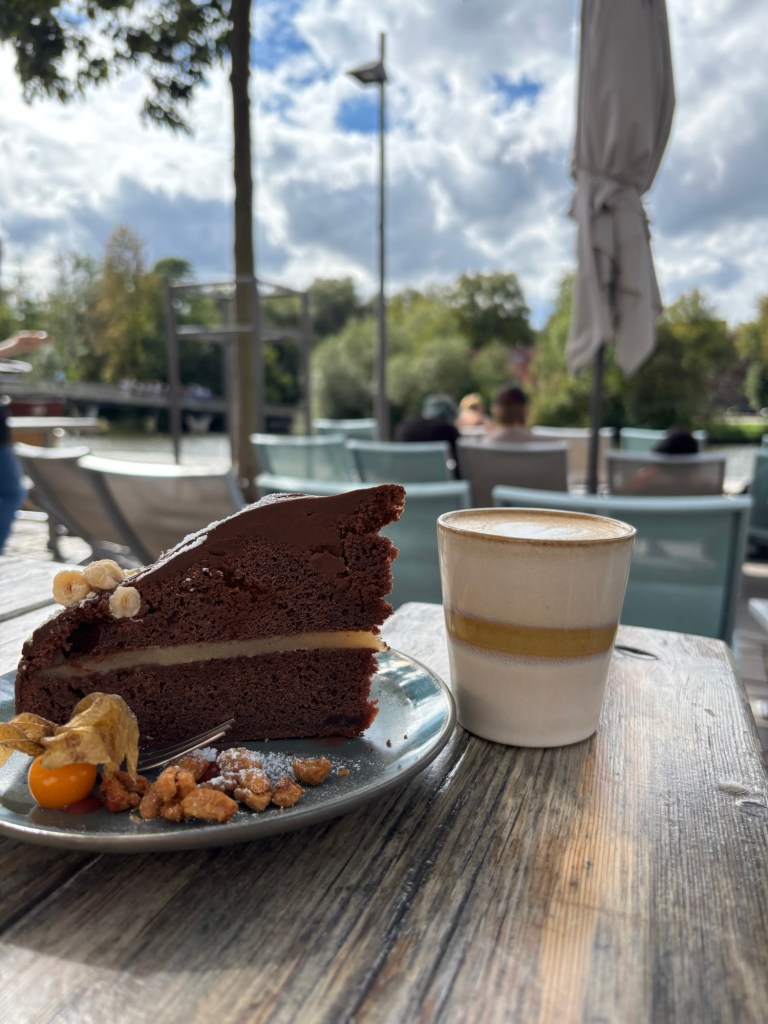
I had previously very briefly visited Copenhagen and Tallinn on a Baltic cruise more than 15 years ago, but added Aarhus, Helsinki, Reykjavik, and Hamburg (and Lubeck and Bremen) to my list. Each trip more of less materialized at the last minute, so I didn’t plan 2025 around a fullblown tour of northern Europe, but I’m glad things worked out the way they did.
I don’t know if it’s changing values and interests, or now having a career I love, but I do find myself paying far more attention to urban design, transportation, and energy infrastructure when I travel in a way I didn’t 10-15 years ago. Don’t get me wrong, I still love to visit old churches, fortresses, and military museums, and did plenty of it.
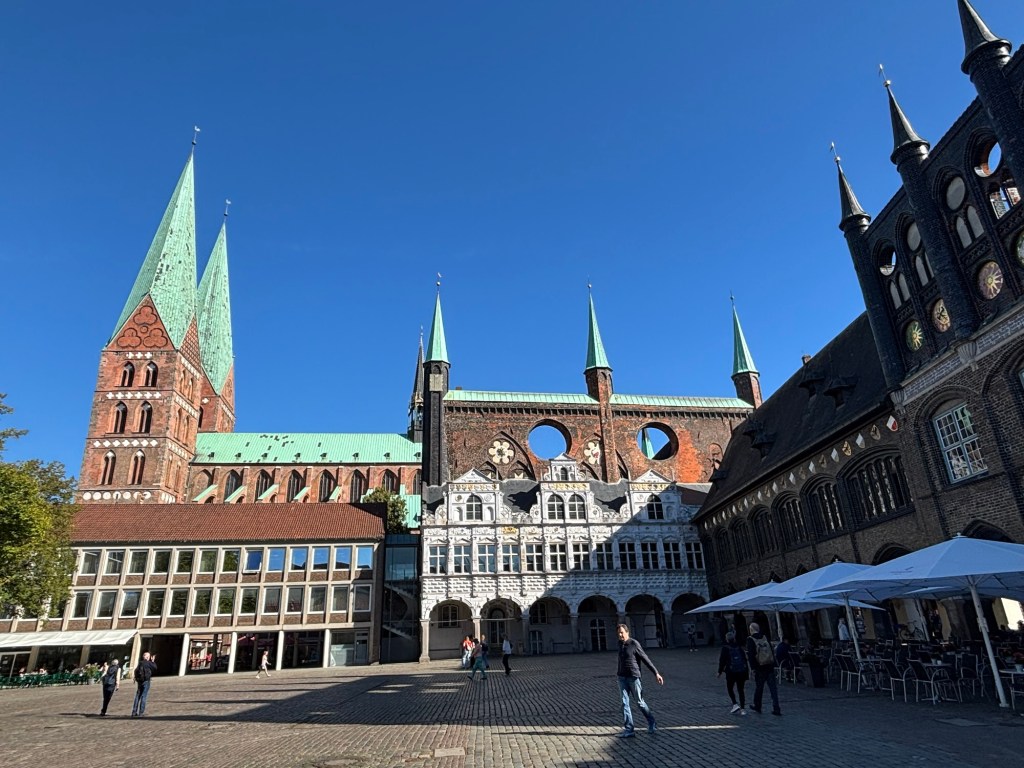
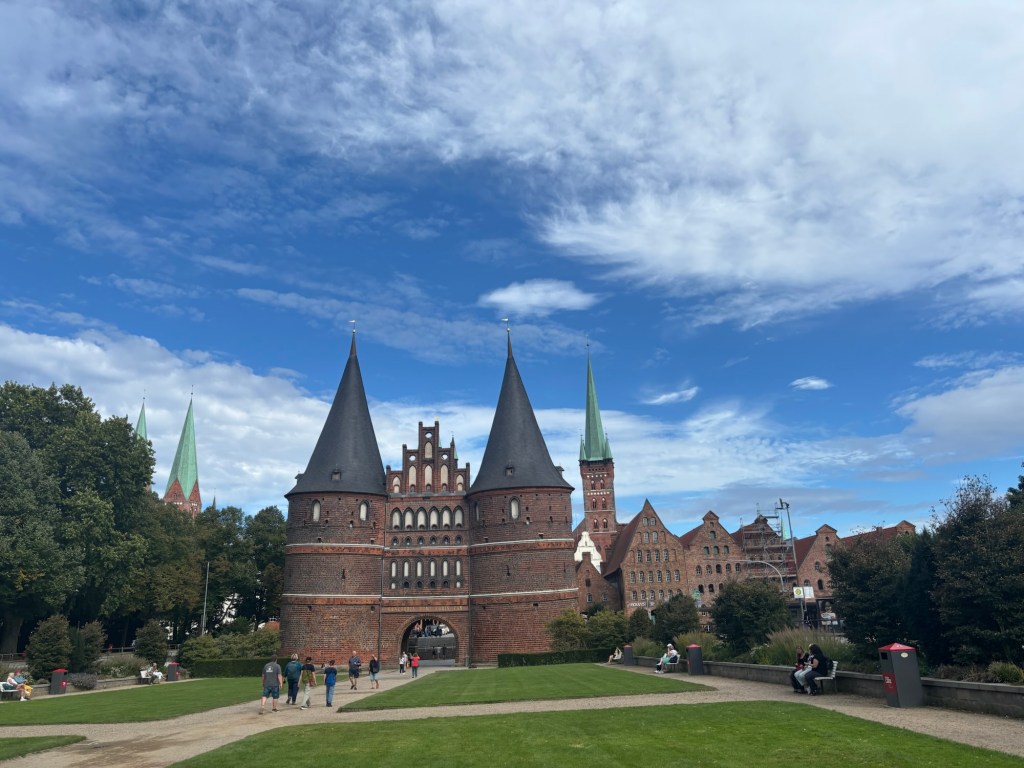
Helsingor Castle and Roskilde Cathedral in Denmark, just about everything I saw in Lübeck, Helsinki’s fortress island Suomenlinna, Tallinn’s medieval walls. The Hanseatic Museum in Lübeck, by the way, was incredible. The walled city itself is a stunning UNESCO site built on centuries of accumulated wealth in the late medieval and early modern periods, but that museum alone is worth the day trip from Hamburg.
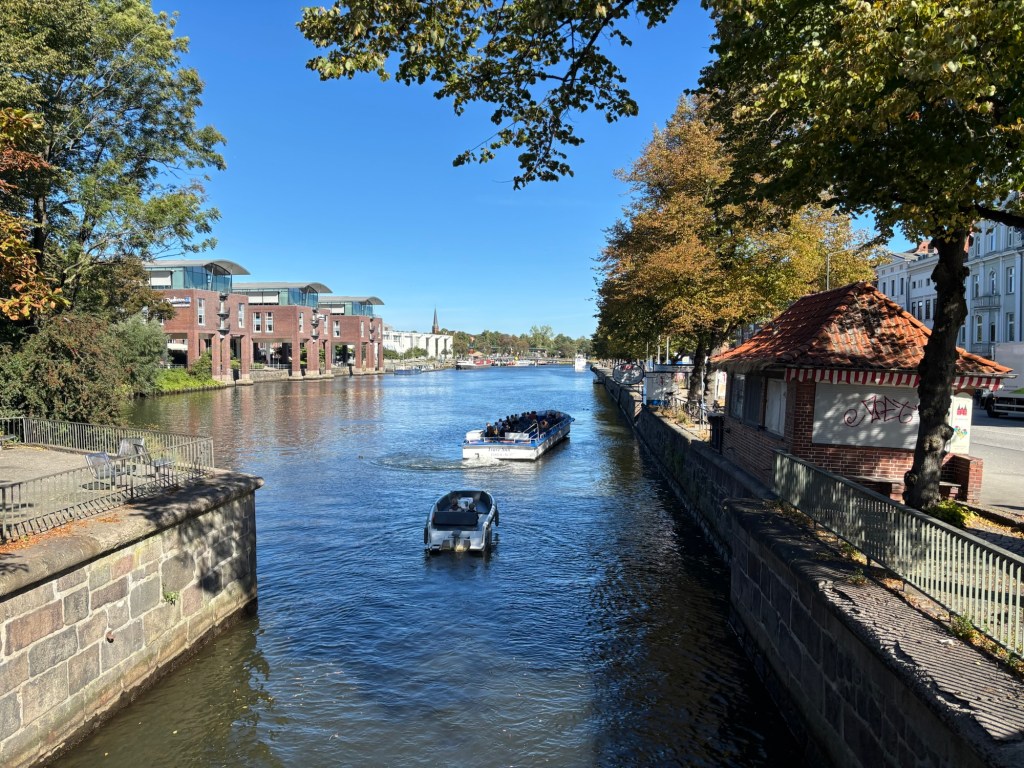
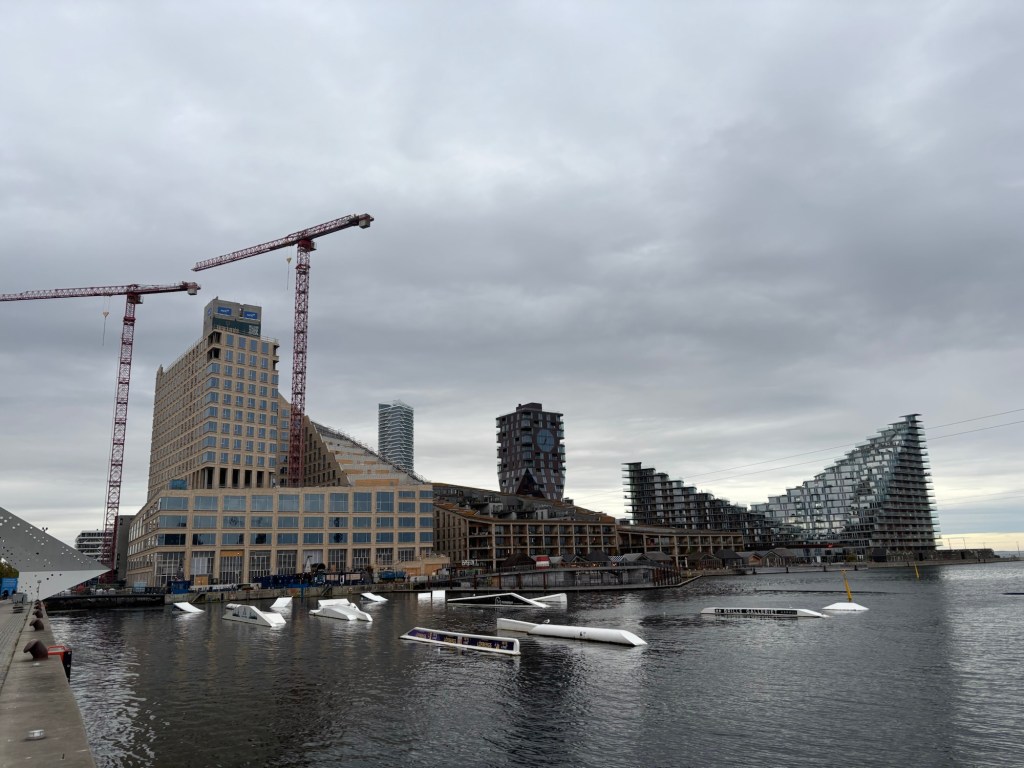
But I also don’t think in 2015 I would have made an effort to visit a Bjarke Ingels-planned district in Aarhus, noticed heavy-duty fleet electrification in Copenhagen, or compared the EV market penetration of varying makes and models across different cities and countries. For instance, the quietness of Copenhagen was noticeable due to extensive EV adoption. Other places in Denmark seemed a bit further behind, but still ahead of Hamburg, and much further ahead still than Helsinki, Tallinn, or Reykjavik.
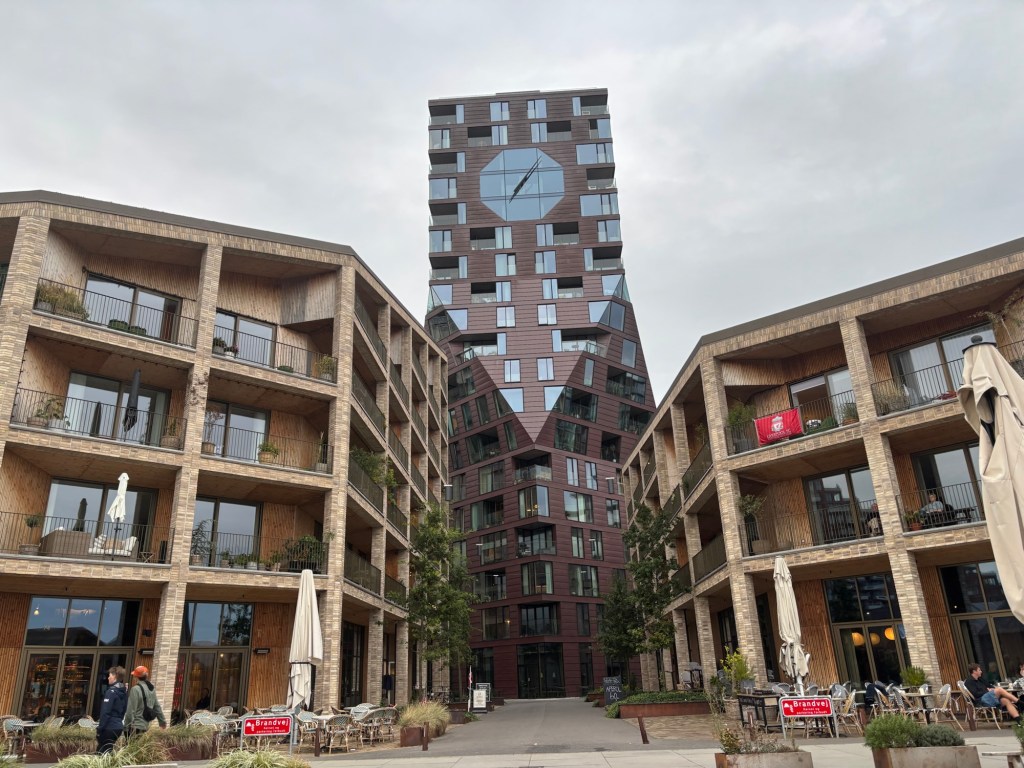

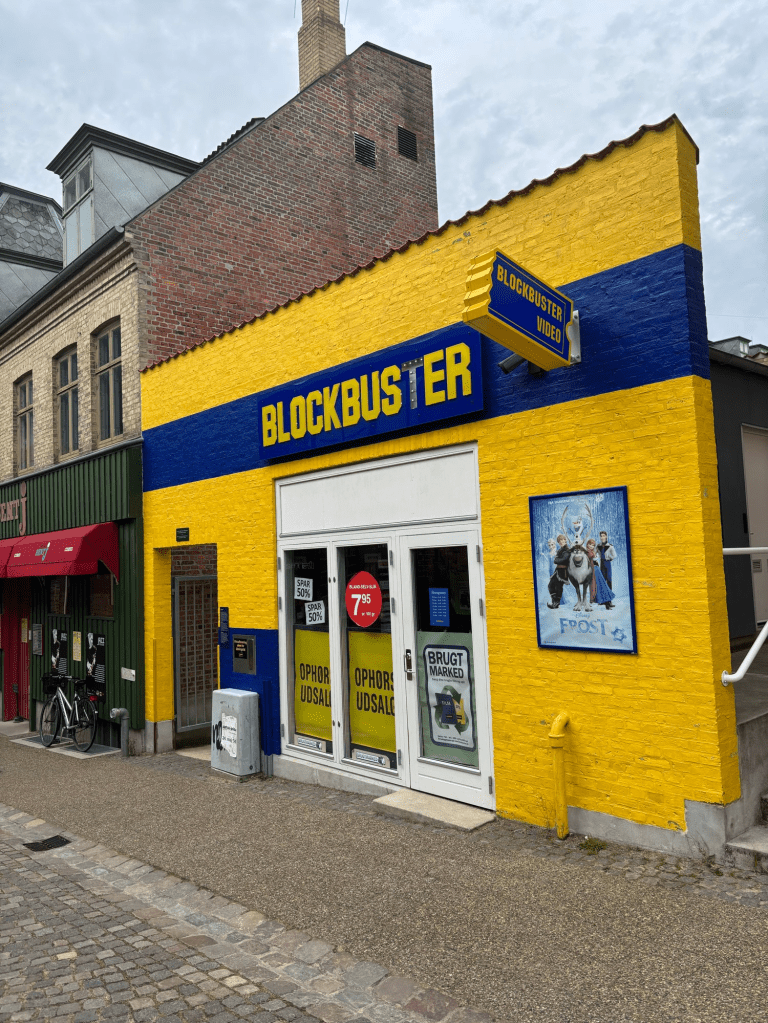
I’ve always tried to mix in some art and culture during my travels, especially when part of a widely-considered “must-see” attraction in a place. Like “Den Gamle By” (The Old Town) in Aarhus, with its time capsule approach to showcasing half a millennium of urban development…From Tudor-era manors to 1970s apartments to a mockup of Blockbuster Video.
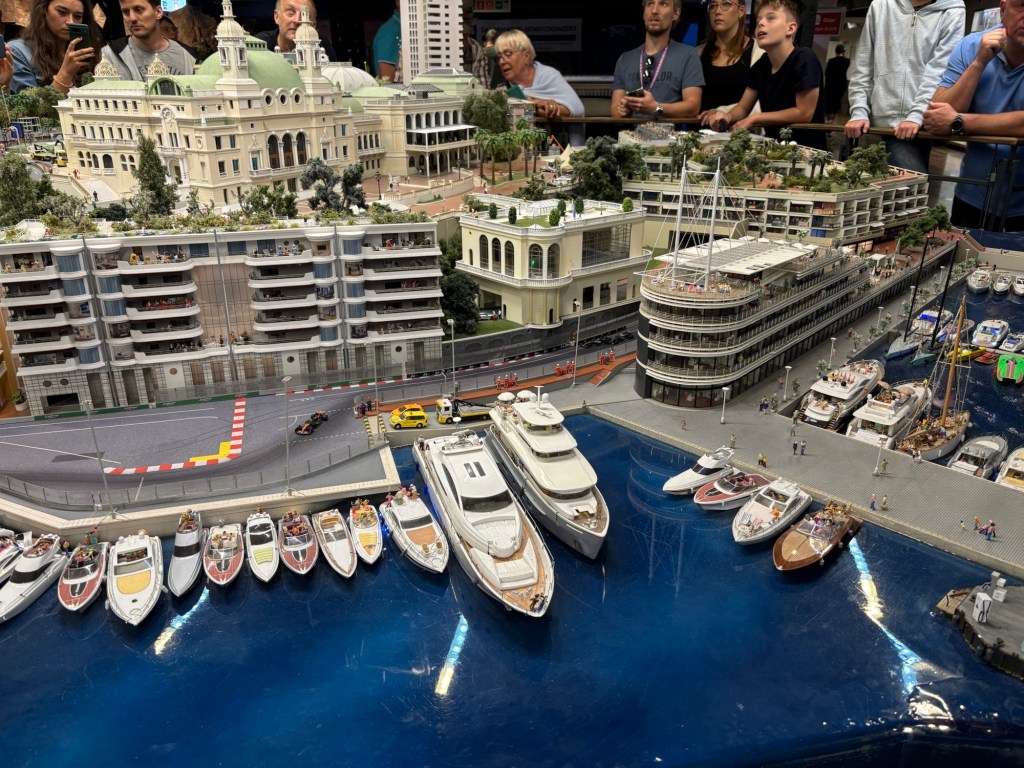
Also, if you find yourself in Hamburg, both the Maritime Museum and Miniatur Wunderland are absolute musts.
The year in DOGE
I won’t say much about my time at the Department of Energy (DOE) here, since I try to keep this blog separate from my current or recent employment. But my 2025 was heavily defined by the fight to preserve the Loan Programs Office (LPO) and other policy tools I believed critical for American energy supply chain security.
I’ll just note the reckless DOGE effort, which pushed out hundreds of my colleagues across multiple key offices. Don’t let anybody tell you these were voluntary exits. Most probationary employees who’d already been fired and reinstated by court order assumed it was only a matter of time before the administration found a legal way to fire them. Everyone else who left took a hint from the the near-daily emails from DOE leadership telling us that mass firings via RIFs (reductions in force) and forced relocations to Washington, DC were imminent, and that we should all take the “buyout” offer from DOGE.
This was no “fifth column” or “resistance” trying to stay inside the administration to thwart its policies. These were committed and brilliant staff who’d joined DOE to support growing America’s energy sector and boost its industrial competitiveness, irrespective of administration. At LPO, it was corporate attorneys with years of deal experience, Wall Street and other energy finance veterans, and leading market experts across various subsectors. Most are gone now. Just a shame throwing away an incredibly talented and driven group of people, and I’m thankful for the opportunity to have worked with them (as well as those who stuck around).
These Silicon Valley guys very clearly read a different assignment than the one ostensibly about increasing government efficiency. They came in with very little comprehension of how government actually functions, the human capital already at work within it, and what it takes to build real things in this country.
America is weaker today and less-equipped to compete with China in many critical technology areas due to their efforts.
Books upon books
Speaking of reading the assignment…
I met my recurring annual goal of finishing 20 books this year, ranging from a short biography of James I of England to Daniel Yergin’s epic global history of oil, The Prize. Social media and general online-ness has noticeably degraded my ability to read fiction, though I still took several turns at it. I started the year with James Clavell’s Shogun: Part Two, which I wanted to finish before starting the excellent Hulu adaption, and ended with Gabriel Garcia Marquez’s One Hundred Years of Solitude, fitting for my long stay in Colombia. More on that in a minute.
My favorite read of the year was recommended to me years ago, and one I ultimately had to find used on eBay because it’s long out of print and I don’t have a Kindle — David Halberstam’s The Reckoning. I was already somewhat familiar with the story of America’s late 1970s/early 1980s automotive crisis amidst multiple oil shocks and Japan’s rise as a global manufacturing powerhouse, but Halberstam’s narrative is both gripping and highly illustrative. Many passages hit me with deja vu, seeing clear parallels between US automakers responding now to their growing global uncompetitiveness much as they did then. Substitute China for Japan and some of these descriptions would fit the pages of today’s Wall Street Journal.
It’s a theme I’ll begin exploring more thoroughly in early 2026, as I believe the next big “pro-EV” package of federal programs will need to work far more aggressively in the service of automotive manufacturing competitiveness.
Finally, I picked up The Lord of the Rings (LOTR) for the first time since I was 12 and the Fellowship of the Ring was on its way to the big screen. 2025 was a tough year, and I repeatedly leaned on Tolkien for inspiration in turbulent times. My recounting of the story had been warped thoroughly by watching the film trilogy many times over the past 20+ years (including another couple of times this year), that I’d forgotten how much Peter Jackson changed from the source material.
In either case, I still find the films more compelling. Less Elvish poetry, more drama, better general storytelling. But I’ve come to realize two types people are drawn to LOTR:
- Those drawn to its deep allegories and dialogue evoking Christian humanism, moral courage, and the triumph of unlikely heroes against overwhelming evil.
- Those who like to dress up in cloaks and wear elf ears.
Sophomore year’s Halloween costume (2008) notwithstanding…I, uh, fall into the first camp. I watched two clips in particular repeatedly throughout the year to reinforce the message.
Gandalf’s retort to Frodo in Moria:

Sam’s speech at the end of The Two Towers.

I don’t consider audiobooks as part of my tally (they’re basically podcasts now), but I’m also closing out the year “reading” Dan Wang’s Breakneck, the “Abundance-pilled” contrast of China’s engineering society with America’s inability to build infrastructure. A good primer for 2026 perhaps.
Travels, continued…
I write this ending the year in Colombia, where I’m spending a month on sabbatical. I flew into Bogota, spent a couple days there, and then hopped to Medellin for another five nights. And finally, I’ve posted up in Cartagena for about three weeks.

This has been a dream trip for many years, even though with abysmal Spanish language skills. Duolingo has actually helped quite a bit both here and also earlier in Germany, but we’re still talking about “conduct transactions at coffee shops without reverting to English and emotive gestures”…not anything commensurate with my eight years of French.

This is surprisingly only my second-ever time in South America, following last year’s trip to Ecuador and the Galapagos Islands with my family. I didn’t appreciate how little English folks speak in either country, versus say Mexico or just about anywhere in Europe. I guess that speaks to how tourism and business travel has boomed within Latin America such that learning English really isn’t a necessity.
The market penetration of BYD and other Chinese EV makers is not overwhelming, but noticeable here as it was in Ecuador. Only the Korean OEMs seem to be putting up much of a fight on that front.
Nothing is written
I’m a longtime fan of the Mission Impossible film series, and thoroughly enjoyed this spring’s final installment (hopefully) in the series…though the plot is a bit contrived, some of the characters poorly developed, and the dialogue over-the-top. But let’s be honest…the series has never featured Oscar-level acting performances or clever plot development after the first film. No, it’s been a formulaic vehicle for Tom Cruise to perform groundbreaking stunts and deliver 120+ minutes of entertaining action sequences, heists, and quips.
But this final installment pandered to me especially hard, delivering the response to its thinly-scripted antagonist’s repeated assertion in both Dead Reckoning and The Final Reckoning that the artificial intelligence attempting to conquer humanity would get its way, for “It is written.” Through both movies, I kept waiting for the punchline.
Then it happened.
Just before the final fight for humanity’s future, Ethan Hunt (Cruise) defiantly claps back “Nothing is written.”
Hunt is, of course, not the first cinematic hero to recite that line. In David Lean’s 1962 masterpiece Lawrence of Arabia (the greatest film of all time), T.E. Lawrence rebuffs Sherif Ali’s warning not to turn back and attempt to rescue a man (Gasim) who’d fallen from his camel in the final night of their group’s journey through the Nafud desert. Ali warns him that to do so would be suicidal, and that Gasim’s death is “written.”
Lawrence turns back into the desert and returns the following morning with Gasim. When Ali hands him a water bladder, Lawrence says “Nothing is written” and takes his first drink.

One need not possess Lawerence’s god complex to believe a little courage and conviction can make a difference in the world. It’s a line and philosophy I embraced at the outset of this year, and will carry into the next one.
Thoughts and predictions for the EV market in 2026
We’ll soon see just how bad EV sales were in the 4th quarter, with all automakers likely to report their full-year sales figures right after the calendar turns to January. The end of the EV tax credits in September created a cliff in which customers raced to lock in the credit before the phaseout, pulling forward a lot of sales we may have otherwise seen in Q4 and probably Q1.
Cox is forecasting the first full year decline in EV sales thanks to that dropoff, despite a record high Q3. I would expect 2026 Q1 is equally abysmal due to the pull-forward and Q1 generally being the worst auto sales quarter. Q2 and Q3 should show meaningful recovery, though not to 2025’s levels, while Q4 should be markedly better than this year’s lull.
If I had to pick the three most important new models launching next year, I’d go with:
- Rivian R2 – Not only a make-or-break model for the company, but also will put enormous competitive pressure on the compact and mid-size SUV market if it proves a hit as expected. It’s probably the biggest EV product launch in the US since Tesla’s Model Y.
- Chevy Bolt – Since General Motors killed the Bolt in 2024 and completely overhauled it for a 2026 rebirth, I’m going to call this a new model. As OEMs kill off more base trims for their entry-level crossovers due to tariff exposure and weaker margins, I think EVs have a huge opportunity to make inroads with the $30,000-$35,000 market and seize the affordability mantle. The revamped Nissan Leaf is a 2025 launch, but fits alongside the Bolt here. While GM hasn’t committed to producing the Bolt into 2027, a strong sales year likely keeps it on the market.
- BMW iX3 – I’ve seen some auto writers highlight the Mercedes CLA EV as well, but ultimately went with the iX3. The luxury crossover SUV segment is crowded right now, but mostly with overpriced, unprofitable models. It’s also the segment I expect will electrify fastest given customer geography and demographics. Based on early reviews, this one could set a new standard for the $60,000+ market.
As the market steps back from “electrify everything everywhere all at once” amidst crumbling policy support, we need to be thinking about the transition on a more targeted and segmented basis. Nothing moves automaker psychology like competitors delivering hit products and eating into their own sales. That’s why, at least for now, EV transition advocates should be approaching the market more like an OEM boardroom.
What segments make sense to target given today’s technology and economics? Where will marketing dollars go furthest?
Ridehailing is an obvious one, as are delivery vans (though Ford and GM are stepping back temporarily), but I’d also like to see more targeted campaigns at suburbanites. There’s just not really any good reason for two- and three-car households with incomes above $250,000 to not consider an EV for at least one of their vehicles. That’s 10% of the country, and an even greater share of new vehicle buyers.
Used EVs will be a major storyline for 2026, with hundreds of thousands of leases rolling off throughout the year. Most of these will fall in the $20,000-$30,000 range, and I’d like to see more emphasis on these as options for teenagers getting their first cars. They have lower range requirements, no need for state-of-the-art technology, and in most cases garages to charge at home.
The US product lineup will also shrink from more than 100 EV models available in 2025 by at least 20% in 2026. That’s not a bad thing. Clear out many of the models that can’t crack 15,000-20,000 annual unit sales in North America, and simplify the task for both customers and dealers.
Much of this market resetting is what I call “EV 2.5” in advance of the next big market growth phase, EV 3.0. I’ll write more on this framework in the new year, including how I define the first two market eras.
What’s next?
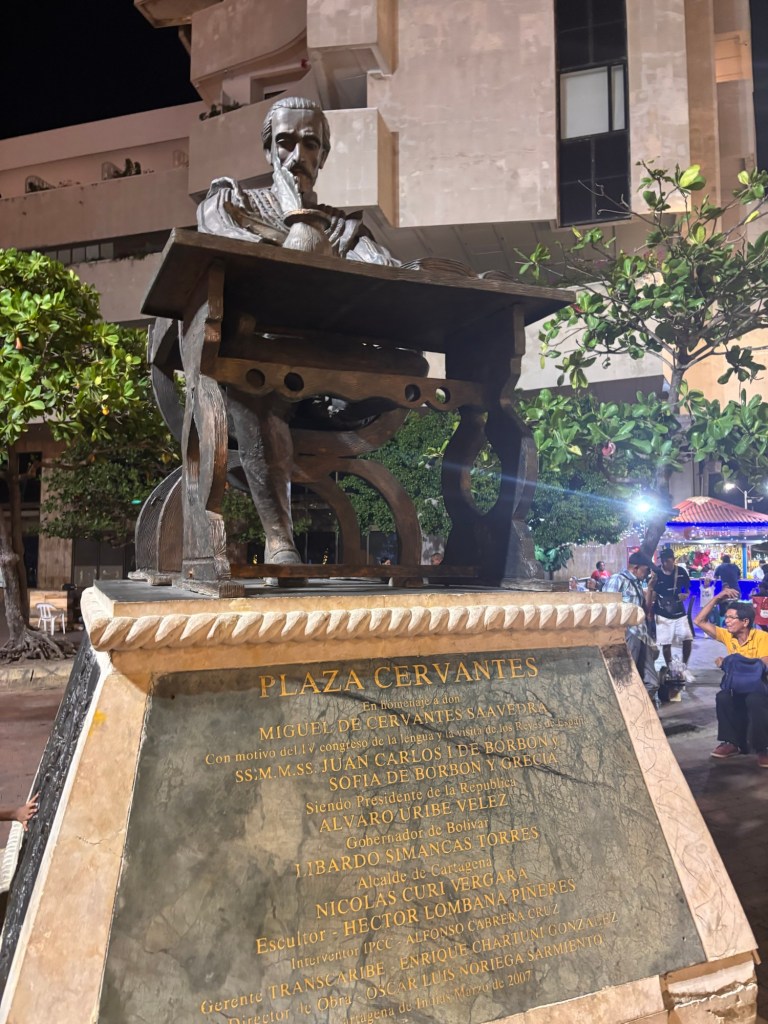
I’ve gotten plenty of questions about what comes next for me. I did bring Don Quixote with me to Colombia, and have made finishing it a goal for 2026. Figured it’s appropriate for somehow who enjoys tilting at windmills. Cartagena even welcomed me with this statue of Miguel de Cervantes.
I very deliberately avoided having any serious conversations about potential jobs or consulting engagements for the final two months of this year, giving myself a proper mental break and the space to think about what I really want to do next.
I’ll have more to share soon, but I’ve already created an LLC to pick up consulting gigs and am starting on a few writing projects. I’d prefer a full-time gig removed from policy work, but think I should have enough to keep me busy for a few months (at least) otherwise. Stay tuned.
In the meantime, may everyone have a happy and healthy New Year. Here’s to 2026!
 Nathaniel Horadam